Radon, Research, and the Power of Community Partnerships with Stacy Stanifer
September 2, 2026
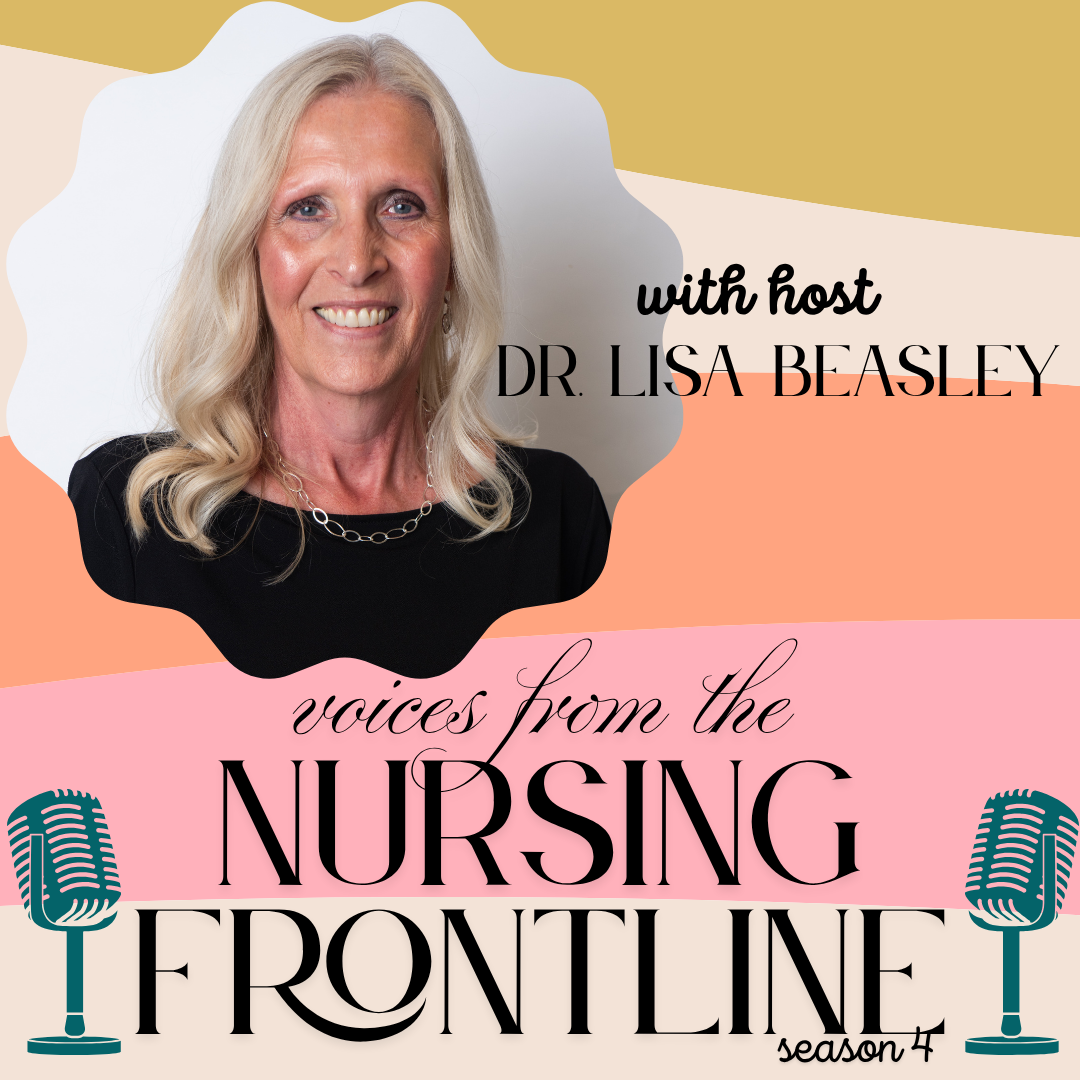
In this episode of Voices from the Nursing Frontline, host Dr. Lisa Beasley welcomes Dr. Stacy Stanifer, assistant professor at the University of Kentucky College of Nursing, for the second part of their conversation about radon, citizen science, community partnerships, and cancer prevention.
Dr. Stanifer discusses the unique role public libraries have played in making radon testing more accessible. Through the Radon on the Radar project, libraries have provided continuous radon monitors for community members to borrow, creating an affordable and convenient way for people to test their homes. The project found that making detectors available through libraries significantly increased testing, with testing increasing 2.5-fold across the four counties involved in the full project.
The conversation also explores how community coalitions and citizen scientists helped extend the reach of the research. Local health departments, cancer organizations, healthcare providers, elected officials, libraries, real estate professionals, and community members each contributed their own knowledge and connections. Dr. Stanifer emphasizes that these local partners brought something a university research team could not: established trust and an understanding of the communities they served.
As Radon on the Radar moves into its next phase, the focus shifts from simply identifying elevated radon levels to helping people take action. Dr. Stanifer discusses barriers to radon mitigation, particularly the shortage of trained professionals available to serve rural communities. Her team is partnering with Kentucky's community and technical college system to develop training that teaches students radon-resistant construction techniques, radon measurement, and mitigation.
The episode also introduces My Radon Report, an individualized online resource being developed to help people understand their radon results and determine appropriate next steps. The goal is to provide personalized information and connect individuals with resources such as certified mitigators, financial assistance, tobacco cessation services, and educational materials.
Dr. Stanifer encourages healthcare providers to make radon education part of routine patient care. She recommends that providers test their own homes so they can speak about the process from personal experience and suggests incorporating radon questions into health histories, electronic health records, discharge information, cancer survivorship plans, and lung cancer screening conversations.
The discussion expands beyond radon to environmental health and climate-related threats to cancer patients. Dr. Stanifer explains how extreme weather events can disrupt cancer treatment, create infection risks, damage medications, and expose immunocompromised patients to contaminated water and mold. She argues that nursing education and healthcare organizations should prepare nurses to recognize these environmental risks and consider sustainability in healthcare delivery.
Finally, Dr. Stanifer discusses the importance of nurses becoming more visible in environmental health and policy. Nurses are a large, trusted workforce with firsthand knowledge of the challenges facing patients and communities. She encourages nurses to use their voices through professional organizations, policy engagement, community partnerships, and direct communication with elected officials. Ultimately, she hopes her research will help inform policies that increase radon testing and mitigation and potentially lead to changes in building codes.
Key Takeaways
Make radon testing accessible. Public libraries can serve as trusted community partners and provide free or low-cost access to radon detectors.
Libraries are more than places for books. Their growing "library of things" model allows communities to borrow practical resources that address local needs.
Community trust matters. Local partners often have relationships and credibility that outside researchers cannot replicate.
Citizen science can strengthen public health research. Community members can help spread information, engage their neighbors, and connect research with real-world action.
Testing is only the first step. Increasing the number of homes tested is important, but people also need support understanding their results and deciding whether mitigation is necessary.
Rural communities face unique barriers. A shortage of trained radon mitigation professionals can make it difficult for people in rural areas to address elevated radon levels.
Education can help build the mitigation workforce. Training through community and technical colleges could increase the number of professionals equipped to measure and mitigate radon.
Personalized information may improve follow-through. Tools such as My Radon Report can help people understand their individual results and identify appropriate resources.
Healthcare providers can play an important role. Radon education can be incorporated into routine health histories, discharge instructions, survivorship plans, and lung cancer screening.
Every patient can benefit from radon education. Because healthcare providers cannot know a patient's home radon level without testing, Dr. Stanifer recommends encouraging everyone to test.
Healthcare providers should test their own homes. Experiencing the testing process firsthand can make it easier to discuss radon with patients.
Environmental health belongs in nursing education. Nurses need to understand environmental and occupational exposures that may contribute to cancer and other health conditions.
Climate-related events can disrupt cancer care. Floods, hurricanes, and other extreme weather events can interfere with treatment schedules and create additional health risks for cancer patients.
Healthcare systems can become more sustainable. Nurses can identify opportunities to reduce waste and consider sustainability within their own workplaces.
Nurses have a powerful voice in policy. Their firsthand knowledge of patients' experiences gives nurses an important perspective for policymakers.
Research can influence policy. Dr. Stanifer hopes her work will ultimately inform policies related to radon testing, mitigation, and radon-resistant construction.
Start with one simple action: test your home. Dr. Stanifer's advice to listeners is straightforward: test your home, learn about your results, and tell someone else about radon.
Make radon testing accessible. Public libraries can serve as trusted community partners and provide free or low-cost access to radon detectors.
Libraries are more than places for books. Their growing "library of things" model allows communities to borrow practical resources that address local needs.
Community trust matters. Local partners often have relationships and credibility that outside researchers cannot replicate.
Citizen science can strengthen public health research. Community members can help spread information, engage their neighbors, and connect research with real-world action.
Testing is only the first step. Increasing the number of homes tested is important, but people also need support understanding their results and deciding whether mitigation is necessary.
Rural communities face unique barriers. A shortage of trained radon mitigation professionals can make it difficult for people in rural areas to address elevated radon levels.
Education can help build the mitigation workforce. Training through community and technical colleges could increase the number of professionals equipped to measure and mitigate radon.
Personalized information may improve follow-through. Tools such as My Radon Report can help people understand their individual results and identify appropriate resources.
Healthcare providers can play an important role. Radon education can be incorporated into routine health histories, discharge instructions, survivorship plans, and lung cancer screening.
Every patient can benefit from radon education. Because healthcare providers cannot know a patient's home radon level without testing, Dr. Stanifer recommends encouraging everyone to test.
Healthcare providers should test their own homes. Experiencing the testing process firsthand can make it easier to discuss radon with patients.
Environmental health belongs in nursing education. Nurses need to understand environmental and occupational exposures that may contribute to cancer and other health conditions.
Climate-related events can disrupt cancer care. Floods, hurricanes, and other extreme weather events can interfere with treatment schedules and create additional health risks for cancer patients.
Healthcare systems can become more sustainable. Nurses can identify opportunities to reduce waste and consider sustainability within their own workplaces.
Nurses have a powerful voice in policy. Their firsthand knowledge of patients' experiences gives nurses an important perspective for policymakers.
Research can influence policy. Dr. Stanifer hopes her work will ultimately inform policies related to radon testing, mitigation, and radon-resistant construction.
Start with one simple action: test your home. Dr. Stanifer's advice to listeners is straightforward: test your home, learn about your results, and tell someone else about radon.