Shaping the Future of Nursing: Education, Practice, and Professional Service
March 25, 2026
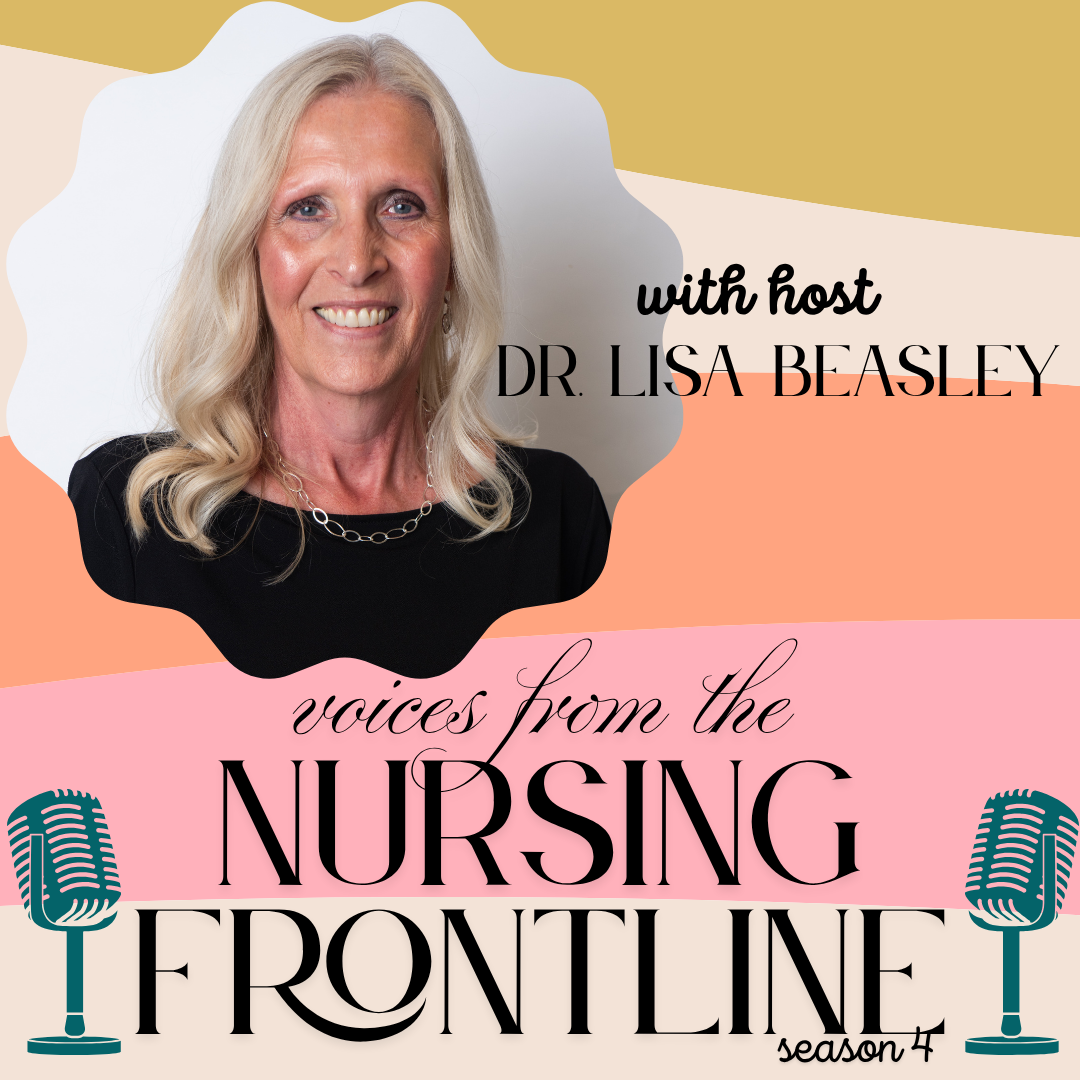
In this episode of Voices from the Nursing Frontline, host Dr. Lisa Beasley is joined by Dr. Kimberly Kennell and Dr. Shelley Miller, faculty at the University of Tennessee Health Science Center. Together, they explore the intersection of nursing education, clinical readiness, and service to the profession.
The conversation highlights how nurse educators prepare students to move beyond task-based learning into clinical judgment and critical thinking, emphasizing patient safety, communication, and real-world application. The guests also discuss the importance of family-centered care, the role of simulation in building confidence, and strategies for supporting students through the transition into practice.
Additionally, the episode underscores the value of professional involvement, encouraging nurses at all stages to engage in organizations that shape policy, strengthen advocacy, and build leadership skills. Through personal experiences, Drs. Kennell and Miller illustrate how service, mentorship, and networking can profoundly impact both individual careers and the future of the nursing profession.
Clinical judgment over task completion: Nursing readiness is about recognizing changes, anticipating complications, and prioritizing patient safety—not just performing skills.
Confidence develops over time: New nurses should expect a learning curve; growth from novice to expert takes experience and support.
Family-centered care matters: Especially in pediatrics, treating the patient means considering the entire family unit.
Simulation is essential: It provides a safe environment for hands-on learning and decision-making that clinical observation alone cannot offer.
Professional behaviors must be taught: Communication, accountability, and accepting feedback are critical skills developed intentionally.
Self-care is non-negotiable: Nurses must build support systems and healthy coping strategies to sustain long-term success.
Service strengthens the profession: Engagement in organizations like TNA helps shape policy, advocate for nurses, and improve healthcare systems.
Start small, but start: Even minimal involvement in professional organizations can lead to leadership growth and career opportunities.
Networking is powerful: Relationships built through service can open doors to mentorship, collaboration, and new career paths.
You’re never “too new” to contribute: Fresh perspectives are essential to the future of nursing.